I have taken a long break from the blog, but I am returning to bring you more useful tips, info and techniques to help you develop your inner cook.
Today will be something of a two-for-one deal, probably because its a Monday at the end of the month, when money's getting tight in expectation of the budget hit when rent comes due in a few days. So we're going to look at a nice technique that will make a good impression and will allow you to open a new branch of flavors in your meals: poaching.
First off, a definition: poaching is a cooking term that means slowly cooking in liquid. Its not boiling, as poaching requires a much lower level of heat, and the liquid used will often not turn into a sauce. Its a more delicate technique, but that can result in very interesting results.
The most common poached food you might have come in contact with is poached eggs, especially in the posh breakfast staple, egg benedictine. Poached eggs are an easy way to learn the basics, and cheap to: all you need is a cooking vessel, either a sauce pan or a frying pan deep enough to hold the cooking liquid and the egg, water, an acid flavouring agent (good vinegar or lemon juice) and an egg of two. A ramekin comes in handy to manage the pouring on the egg.
Fill the vessel with water and add about a spoonful of your acid agent. Bring to a very light simmer, making sure you not only not boil the water, but just enough that you can see a very gentle roll in the liquid. Crack the egg in the ramekin, being careful to keep the yolk whole. Pour the egg gently into the water, then cover and turn off the heat; this will prevent the whites from cooking too tough at the bottom. Let stand, undisturbed for three minutes, then remove using a slotted spoon. The white should be just set enough to keep it together and the yolk should be barely set on the edges but runny.
Its an easy, no-mess way of preparing your eggs in the morning, keeping the scent of cooking food to a minimum. Also, its a delicious way to impress that date you brought home last night and that stayed over for breakfast.
Some now you know how to poach eggs; the same basic technique can be used for other, more delicate foods, like fish, chicken, or fruits, using different cooking liquids.
Now, here's my favourite poached preparation, poached onions, or onion confit.
The idea is the same, but the items are cooked in this fashion more as a preservation method. The start example of this is duck or goose confit, originally from south western France, where the birds and cut into pieces, cured, and then poached into cooking fat, usually their own. The parts are then put into jars that are then filled to cover with the cooking fat to seal. The preparations can then keep for long periods with minimal refrigeration.
In Italy and southern France, condiments like onions, garlic and chilies. The preparation is very simple, if a little time-consuming, definitely something of the "slow food" movement. The basic elements required for this is a thick frying pan, olive oil and onions. Simple.
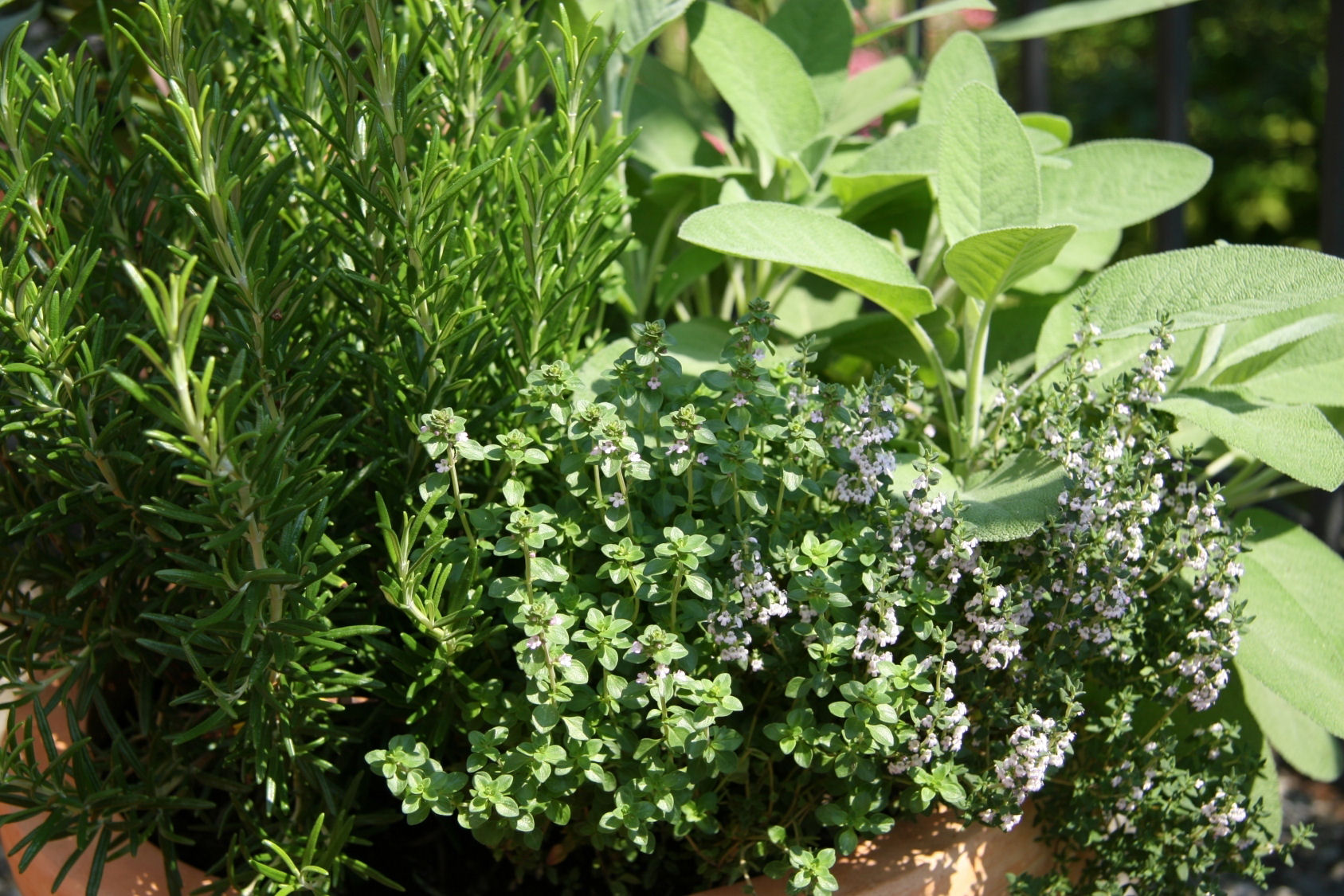
First, thinly slice your onions. Just half and slice, keep it simple. Then, put a good amount of olive oil in the pan a bring to a low heat, basically medium-low, edging towards the low side; you don want to fry your onions, just heat them in the oil. When you're confident that oil is at the right temperature, add the slices, and stir to ensure that everything is spread out. There should be plenty of oil, as it acts as the poaching medium. I like to add a bit of thinly sliced or crushed garlic to the mix, for flavor and to balance the chemistry, and a pinch or two of kosher salt to help the onions sweat. A few drops of balsamic vinegar, some herbs (oregano, rosemary and thyme work well), a touch of sugar also can help you shape the flavors.
This will need to cook for a good forty-five minutes, stirring occasionally. Adjust the heat as needed to avoid the crusting at the bottom of the pan. It is ready when the onions nearly disintegrate. You want a very soft mixture. Take off from the heat and use.
It makes a great alternative to tomato sauce in pizza and pasta, and its a great way to build a base for a ragout or stew sauce. And its a perfect base for our next blog entry, gumbo!
Its all about food and cooking, with or without meat, local or not; what matters most is the result and wasting as little as possible, regardless of the budget. Use what you've got as best as you can, whether you've got all day to cook, or only five minutes.
Monday, January 30, 2012
Thursday, September 1, 2011
Gone, but not forgotten
I have not been updating the blog lately, but its not that I have forgotten, its just that life gets in the way of fun, you know what I mean? So here's a couple of very useful instructionals on proper knife grip and sharpening. Once that you've mastered that, you'll find that you save yourself a lot of hassle and time, not to mention a lot less crushed vegetables and knife cuts.
And notice that in the background, you can see how this professional chef stores his kitchen tools, and that's also how you can store yours, cheaply and effectively: recycle and reuse your large tin cans. If you get a couple of large cans of tomato juice (more than likely if you are a fan of Bloody Marys) or olive oil (economy of scale folks!), just take off the top using a good can opener, clean it well and store all those non-sharp tools on handles. It'll save you from spending extra cash and will help decorate your kitchen with theme-appropriate elements. You can well use coffee cans for the smaller items; variety is the spice of life (and maintains your sanity when applied to your diet.)
Tuesday, July 5, 2011
Ramsay's at it again!
Alright, I haven't done a recipe in a while, so here's Gordon Ramsay showing you just how easy it is to prepare roasted duck breast:
Now, you'll say that duck is expensive, especially if you buy just the breast, which is true... that is, any meat will be expensive when you buy just the cuts, but if you buy the whole beast and prepare it yourself, you'll not only save money on the individual purchases, but you'll gain so much different products that it'll be well worth the effort and initial cash output to convert you over.
I'll be going through the bird portioning in an upcoming post.
Now, you'll say that duck is expensive, especially if you buy just the breast, which is true... that is, any meat will be expensive when you buy just the cuts, but if you buy the whole beast and prepare it yourself, you'll not only save money on the individual purchases, but you'll gain so much different products that it'll be well worth the effort and initial cash output to convert you over.
I'll be going through the bird portioning in an upcoming post.
Saturday, June 25, 2011
Kitchen basics: its all in the sauce
Mustard: the classic condiment and the one item that is pretty much guaranteed to be found in the otherwise empty fridge at that new apartment you just moved in to. There certainly is a fairly broad variety of mustard mixes, but it essentially comes down to three kinds: yellow, Dijon and horseradish. For our purposes, I'll stay with the essentials: have a jar of yellow mustard and a jar of good French Dijon at hand. Dijon mustard is like Balsamic vinegar, as there is a pretty broad variety of heat, texture and flavors, so you'll have to try and taste, until you find the one(s) that you like. I personally am something of a mustard collector, with something like fifteen different jars of mustard, mostly Dijon, but several flavored types, like honey, balsamic, white wine and garlic. If you really want to burn your mouth off, then go for Grey Poupon, but me, I'll stick to rustic stone ground, if its all the same to you
Ketchup: again, the classic condiment in its bright red sauce and squeeze bottle container, it has its uses beyond just improving your fast food. it can be added on to your sauces to add both sweetness and tomato flavor. Get a good jar of the rustic chunky stuff and you will be thankful for it. Its a great way to add flavor to your burgers while adding a good kick of vegetables. In the hands of a creative cook, this can be turned into different sauces or flavor components. While there are commercially available varieties (some of them quite good), look at farmer's markets for the farm-made stuff, many of them are pretty incredible and you'll go through them pretty quickly, whether it in the summer with the results of your barbecue endeavors, or in winter to vary your roasts, braised meats or meat pies.
Soy sauce: the Chinese Worcestershire sauce, its the essential flavor and color add-on to so many Chinese dishes that anybody who wants to do some Asian food who doesn't have some at hand is kidding herself. While available in any grocery store, after trying out different products, I would highly encourage you to get the imported stuff. Its not that the VH or other home brews are bad, but... no. Go a little out of your way, get the good stuff like Kikkoman. While you're at the Asian shop, look at picking up tamari and mirin. Tamari is a soy sauce, but somewhat stronger flavored, while mirin in a cooking rice wine. Both of these are key components of Japanese cuisine.
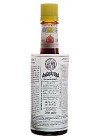
Angostura bitters: the enhancer from Trinidad, made from a secret mixture of herbs, roots and possibly vaudou, its one of those who pack a big punch is a tiny amount. Most commonly used in cocktails, try using it in soups, sauces, or in any other situation where adding some amplifier would be a good idea. You really don't need to add a lot; a few drops are generally enough. Easily available in any grocery store that also carries wines, and is generally found right next to the maraschino syrup.
Harissa: the Tunisia hot sauce common to all of North Africa, it will bring both heat and flavor to those tagines and other middle-eastern dishes, prefect for hot summer nights or a taste of the exotic at any time of the year. It can be found in specialty shops, and of course, in ethnic grocery stores. In those shop, expect to find their home brew (and far superior mix), but you'll probably have to use it fairly fast. It is also conveniently found in resealable tubes, just like toothpaste. Don't mix them up, unless you feel like playing a nasty prank on your hungover roommate.
Pesto: going on a milder streak here, we're looking at an essential Italian staple for the magical quick-fix when a simple, yet flavorful sauce is needed. Essentially a fresh basil and olive oil mix, with the essential parmegiano and pine nuts. Unless you love arguments, don't ask Italians which one is the best, every nonna has her secret recipe blend that is, of course, the best. Tho its fun to see them argue about it. Pesto can be fragile, so once that the jar is opened, keep it in the fridge and make sure that there is always a layer of olive oil on top, it acts as a sealing cap and prevents mold.
Besides the ready to use concoction, there's a few others that don't quite fit in the other basics categories, but that you should have on hand because of their versatility and their usefulness.
Honey: honey is the old school sweetener, used since time immemorial to infuse a dish or drink with deliciousness that masks its otherwise bland nature. A spoonful of honey mixed in the cooking rice turns the dish into something far more appealing. It can also replace sugar in certain savory preparations where it's flavors would work in combination with the existing spices. And its great to have on hand to make tea more appealing and to treat a sore throat in winter.
Maple syrup: like honey it can be used as a sweetener (say for a Sunday morning coffee) or a flavor enhancer. Used sparingly, as I know that for most of you, its going to be hard to come by and/or expensive, but dont bother with so-called table syrup, its s terrible imitation.
Dried vegetables: a convenient mixture that comes in several varieties, useful for flavoring rice and to create quick soups from scratch. Treat it like flavoring herbs and use moderately if you want to stretch your supplies.
Vanilla: get the real stuff, not the artificial junk, even if its cheaper. A few drops are enough to either flavor directly, or enhance the flavor of many sweet dishes and baked goods. While you could got for the beans, they are rather on the pricey side, but if you feel that its the only way to go, then by all means, go for it, but use it smartly. The pods can be used to infuse a couple of times, so make sure that you keep them in an airtight container in the fridge after use.
Corn starch: not a flavor component, but a thickener. Its a quick way to thicken a sauce, to make a milk pudding and is pretty essential to Chinese cuisine. It is used in the marinade to help thicken the sauce, but also to make the flavors stick to the meats.
Toasted flour: basically, this is wheat flour that got toasted to a brown color. It is used to add color and flavor to sauces and gravy. Not essential, but useful to anybody who likes some delicious gravy or darker sauces
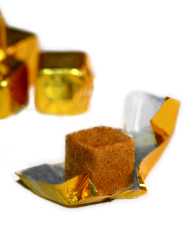
Bouillon cubes: they come in a variety of flavors and are a useful way to have stock at hand even if you have limited freezer space or cannot be bothered to make your own stock. Its a base, so you'll have to add some flavorings to that, but it takes little to turn a basic chicken or vegetable bouillon into a delicious soup. Think or your basic Ramen for example...
Once that you've got your flavors down, you turn the bland into the extraordinary, which is great relief to the down and out. With some practice, you'll start saving money, simply because when you'll eat your takeouts, it will be so below what you can make at home that you wont bother much and just whip out your own meals. And if you still have access to cheap and delicious eats, then congratulations, you are lucky buggers. Send us pictures and be happy.
For the rest of you, to your cutting boards and dish out!
Friday, June 10, 2011
Intermezzo
I'm taking a short break from the blog, as I am working on a few projects that are taking up some of my time. There should be a new post in a few days, so don't go thinking that I've dropped this work; there's loads of material yet to cover, so stay tuned!
Sunday, May 29, 2011
Kitchen basics: the flavor has it
A few years back, I had to spend some time in the hospital. In the circumstances, is was offered nourishment, which they referred to as "food" but I called it "crap." Because I was refusing their terrible offerings, they assumed that I was refusing to eat and was starving myself; so they stuffed a feeding tube straight to my stomach and fed me the bare minimum to make sure I'd live, just enough to try to make me hungry enough to eat their porridge.
Its failed miserably, because they worked on a false premise: I wasn't refusing to eat food, I was refusing to eat those meals that they were serving me as food. Because, while they may have been nutritionally whole, they were the blandest, most depressing collections of foodstuff one can be forced to consume. I eventually managed to talk to the nutritionist and striker a deal: stop that gruel crap and let me feed myself, then decide if I'm starving. Given that within twenty-four hours I had consumed more calories than they were injecting me with eventually broke them down and they took the tube out.
The secret was in the flavors, something that they didn't concern themselves with.
In this edition of kitchen basics, we'll be looking at those flavor elements that are oh, so important for your pantry, as they are the springs of magic that turn a bland pita bread into a delicious delicacy and make salads come to life.
What exactly do I mean by flavors then? We are talking about the basic foodstuffs that bring life to the party, can be combined to turn good into great and will define the dish you are trying to create: vinegars, oils, herbs, spices and other simple flavor elements that bring a much greater punch than their size could indicate.
Vinegars
One should always have some vinegar around. While plain old white vinegar has some pretty limited uses, it is useful as a chemical reactor when combined with baking soda.
The one important flavor agent is balsamic; you should have a jar or two of balsamic vinegar around, as they really stand out form the rest. For the affictionato, it is the only vinegar that changes as it ages. Have a bottle of young (3-6 years old) for salad dressing and the likes, and a jar of older (9 year old) for those time that you want both punch and sweetness. If you feel like being fancy, you could do a reduction, where you simmer it until it has reduced to half it quantity, which will make it thicker and sweeter.
Depending on your ethnic palate, you may want to have rice wine vinegar, for the Asian repertoire; white wine vinegar, for a different base for your salad dressing or mayonnaise; and cider vinegar, again, a different variant on flavors. One bottle can last quite a long time, so you can never really say that you have too many, unless of course you have too many.
Oils
I have talked about cooking fats before and some of those will definitely cross-task with flavor agents. One difference here is that they are to be used not so much for their heat properties as for their taste. Top of the list here is a good olive oil, extra-virgin and cold-pressed. This is a case here where you'll probably want a fruitier variant, as it will shine through the preparation.
Other oils to look out for as flavor include sesame (for Asian kick), nuts (excellent for salads) and a large variety of flavored oils, again for salads, but also to add some finishing flavors to pasta, pizza and certain sautes.
Herbs
Herbs are the old school way to flavor a dish. While it is true that fresh is always better, its not always possible, as it can be difficult to use the entire amount that you are forced to buy by the time that they go bad, unless you start growing them yourself; its a bit of an investment, but you'll save in the long run, and you'll always have your green friends ready and at hand in manageable quantities.
First off, one of your reliable sidekick is oregano; its usable in many different cuisines and it'll probably be the first one you'll run out of.
Basil is one of those herbs, like parsley that should only ever be bought and used fresh. There is a certain variety depending on the region of origin, but sticking of good old sweet basil should get you through most of your needs. Its a simple and delicious way to flavor up a salad or a simple summer soup.
Chives is another great standby, for the subtle touch of onion without being overpowering.
Rosemary is a great match for both fish and lamb, so its a great friend for anything Mediterranean.
Parsley and coriander serve the same purpose for different cuisines. While it might imply that they are interchangeable, they are not, as their flavor and impact differ strongly enough to ruin the dish.
Bay leaf is a misunderstood, yet essential add-on to any stock, stew or ragout that will involve fatty meats, Its job is to cut the impact of the fats and it does the job wonderfully; just take it out before you serve.
Mint is another lamb friend, and it a great way to flavor rice or couscous.
Thyme is a base flavoring for stocks, meat dishes and for your pickled eggs.
Spices
I refer to spices both the powders and seeds that are used to build wonderful aromas and delightful sauces.
One of my most important spice in cumin, a wonderful additive for any meat dish, as well as Eastern European and Indian concoctions. It is available both in powder and seed form, to be used in different contexts.
Paprika is the one spice that most American pantries had after the war, along with black pepper and salt; it was used mostly as a color element, when you felt like being daring and fancy. Its is the all-important base for goulash, and can also be used in a variety of ways for sauces and other concoctions, adding dept and color to the mix. It originates from either Spain or Hungary, and while we mostly see it as either mild or hot, there are more possible varieties, available according to your local suppliers.
Peppercorn comes in several variety: black, white, green, pink, Szechuan; in reality, they are, in order: whole, skinned, unripe, bud and the aromatic fruit pod of a different plant. While as much as possible you should buy only whole corns and grind them on the spot for maximum flavor, it is also possible to buy it pre-ground, tho not exactly recommended, due to the possibility of it being cut with peanut shells and other fillers. You can also obtain both the green and pink variety in brine, which are used for sauces primarily.
Turmeric is a ginger relative and widely used in Middle Eastern and South East Asian cuisine, both for color and flavor. You could well use it in the same way as you would paprika; it is an essential component to curry mixes and several Persian dishes. It has reputed health benefits that are under investigation, but its good stuff anyways that could be added in to any spice mix where a bit of yellow would not cause any trouble.
Cinnamon comes both in powder and stick form, but even more importantly, comes both in genuine and stand-in, the stand-in being the most common. Cinnamon is stronger and looks like thin, crumbly sheets, while cassia is the milder, tough sticks that we are used to. It is a great way to flavor drinks and stocks, as well as several sorts of baked goods.
Mustard comes in either powder or seed form, used in different dishes for different purposes. In powder form, you would use is as part of a dry rub, or to flavor meatballs. As a seed, it would be used in certain Indian preparations, as well as in many Eastern European dishes, like sauerkraut.
Chilies
The friendly and not-so-friendly pepper family covers the whole gamut from the sweet bell pepper, all the way to pain-inducing bad boys like ghost nagas. Unless you absolutely want to melt your teeth and stomach lining, you'll want to keep a certain variety of peppers at hand for different purposes. One simple rule to stick by when using hot peppers is to keep it flavorful. If you have packed so much heat that its the only thing you notice about your food, all you've made is a frat boy bet, and Texans will backhand you all the way back to the pioneers.
Poblano, also known as ancho or mulato are at the bottom of the heat scale, just above bell peppers. When the ripen and dry they turn very dark, nearly black; their low heat, flavor and color makes them a wonderful component of the more approachable moles. Unless you are in the harvest season, you'll find it dried and will need to be ground.
Jalapeno peppers are at the low curve of the Scoville scale, which means that while you may go a little more wild with this, its also one that can be used in other ways than just as a heat source in your dish. They could be stuffed and grilled or braised, and served as appetizers, for instance. Available fresh and in various preserved forms.
Chipotle are ripe and smoked jalapenos. Most likely you'll find those whole and dried, so you'll have to grind them. Not as hot, but a great way to add a more subtle element to your mix.
Serrano is the most commonly used chili in Mexican cuisine. It rates higher than jalapeno on the scale, but the locals eat it raw.
Cayenne peppers are the next step for commonly used chilies on the scale. They pack a pretty good punch, and can be found whole dried, as well as in powder form. Add in small increments and taste as you go along, so that you don't end up with nothing but burns.
Bird's eye is a very small chili, but don't let the size fool you. This is the variety that is most commonly used in Chinese, as well as certain African cuisines. Its punch is pretty high, just under the old hottest pepper record holder. Use sparingly, and practice caution.
Habanero and Scotch Bonnet are so closely related to be kissing cousins. They were the hottest peppers until some years back, when they found out about the ghost naga. This is pretty much the highest you should go on the heat scale. Easily found, you don't really need to toss several hacked-up peppers into your pot for the heat to come through. You could well just let it simmer in for a time and take it out before serving, unless you hate your guests and enjoy seeing adults cry in pain.
Salt
This really requires it own section, as it is not a spice, and is used both as a preservation agent, and as a method to enhance other flavors.
Table salt is the most common type, produced in such a way as to make it really easy to be used; its one to be avoided if possible, only useful for baking, really. It was originally developed for health reason, adding iodine because people didn't get enough of that required element in their diet. With municipal water supplies providing for that need, it is no longer required, but they haven't come around to doing anything about it.
Kosher salt is not Jewish, nor blessed by a rabbi; the name comes from the use of this salt to prepare kosher meat, to draw the blood out. It has several benefits, one of which is purity, devoid of additives. Its shape and structure makes it an excellent kitchen standby, and this is what you should have in your salt pig. You can be more liberal with this type, as it has less saltiness per mass than table salt. While it is more expensive, try it and see the difference. Its worth it.
Coarse or pickling salt is large grains of sea salt that are used for either preservation, as for pickling, brining or to prepare confit; or as a preparation method for certain dishes, like crackles and boeuf au sel. Not an essential basic, but its not expensive and lasts, so not a waste in any way.
Fleur de sel is salt hand harvested from sea water pools and treated to sun exposure. It also refers to certain varieties that originate from salt marshes or ancient salt deposits. It is most definitely a finisher, as a sprinkle on top of the dish before serving can both enhance the flavors and add and extra layer of texture. Expensive, so not an essential, and to be used sparingly.
Other aromatics
There are a few other flavor friends you should keep in mind, and possibly keep around if you use them regularly.
Lemons, while certainly a fridge staple, has so many uses in the kitchen that you should keep some close at hand. The rind can be ground or shredded, the pulp can be crushed to extract the juices, it can be sliced and used in cocktails or other beverages... just have some, and if possible, avoid the bottled stuff. You can also find in confit form, either in salt or in liquid. These are used for Middle Eastern and North African dishes and will take that tagine to a whole different level. Pick it up only if you know you'll use it, or make your own.
Garlic is an essential. And get over your irrational fear, it doesn't mess up your breath if used properly. Get whole cloves and use liberally, teaming it with onions, shallots or chives. While you can find in preserved, I prefer to just buy whole heads on them and use as needed. There are also very useful tubes, in the same veins as toothpaste, that will dispense crushed garlic paste, allowing you to use small amounts of it and keeping the rest safe for later use.
Ginger is another friend that can be used fresh, over the powder form. A few slices in chai, soup or stock will give things a whole different dimension. A necessity for anyone that wants to do stir fries and curries from scratch. While it keeps well in the fridge, the best method to preserve it is to bury it in a container filled with potting soil.
This obviously only covers a limited range of flavor agents. The purpose here is to give you a good idea of what is out there, and what to spend your hard-earned cash on. In full disclosure, when I moved into my first apartment, I bought a lot of spices and herbs, most of which remained unused for years. I simply didn't know what I was doing, so I didn't use them. Eventually, I just tossed most of it out (they do have a certain shelf life) and only bought what I used.
When you start with a more limited, but functional range, you are more likely to learn to use it, and use it properly. The whole purpose of aromatics is to take a staple like plain white rice, and by adding a few pinches of this and that, end up with a royal grade pilaf or risotto. That's what cooking is all about; making the ordinary, extraordinary.
Its a little bit of magic.

Its failed miserably, because they worked on a false premise: I wasn't refusing to eat food, I was refusing to eat those meals that they were serving me as food. Because, while they may have been nutritionally whole, they were the blandest, most depressing collections of foodstuff one can be forced to consume. I eventually managed to talk to the nutritionist and striker a deal: stop that gruel crap and let me feed myself, then decide if I'm starving. Given that within twenty-four hours I had consumed more calories than they were injecting me with eventually broke them down and they took the tube out.
The secret was in the flavors, something that they didn't concern themselves with.
In this edition of kitchen basics, we'll be looking at those flavor elements that are oh, so important for your pantry, as they are the springs of magic that turn a bland pita bread into a delicious delicacy and make salads come to life.
What exactly do I mean by flavors then? We are talking about the basic foodstuffs that bring life to the party, can be combined to turn good into great and will define the dish you are trying to create: vinegars, oils, herbs, spices and other simple flavor elements that bring a much greater punch than their size could indicate.
Vinegars
One should always have some vinegar around. While plain old white vinegar has some pretty limited uses, it is useful as a chemical reactor when combined with baking soda.
The one important flavor agent is balsamic; you should have a jar or two of balsamic vinegar around, as they really stand out form the rest. For the affictionato, it is the only vinegar that changes as it ages. Have a bottle of young (3-6 years old) for salad dressing and the likes, and a jar of older (9 year old) for those time that you want both punch and sweetness. If you feel like being fancy, you could do a reduction, where you simmer it until it has reduced to half it quantity, which will make it thicker and sweeter.
Depending on your ethnic palate, you may want to have rice wine vinegar, for the Asian repertoire; white wine vinegar, for a different base for your salad dressing or mayonnaise; and cider vinegar, again, a different variant on flavors. One bottle can last quite a long time, so you can never really say that you have too many, unless of course you have too many.
Oils
I have talked about cooking fats before and some of those will definitely cross-task with flavor agents. One difference here is that they are to be used not so much for their heat properties as for their taste. Top of the list here is a good olive oil, extra-virgin and cold-pressed. This is a case here where you'll probably want a fruitier variant, as it will shine through the preparation.
Other oils to look out for as flavor include sesame (for Asian kick), nuts (excellent for salads) and a large variety of flavored oils, again for salads, but also to add some finishing flavors to pasta, pizza and certain sautes.
Herbs
Herbs are the old school way to flavor a dish. While it is true that fresh is always better, its not always possible, as it can be difficult to use the entire amount that you are forced to buy by the time that they go bad, unless you start growing them yourself; its a bit of an investment, but you'll save in the long run, and you'll always have your green friends ready and at hand in manageable quantities.
First off, one of your reliable sidekick is oregano; its usable in many different cuisines and it'll probably be the first one you'll run out of.
Basil is one of those herbs, like parsley that should only ever be bought and used fresh. There is a certain variety depending on the region of origin, but sticking of good old sweet basil should get you through most of your needs. Its a simple and delicious way to flavor up a salad or a simple summer soup.
Chives is another great standby, for the subtle touch of onion without being overpowering.
Rosemary is a great match for both fish and lamb, so its a great friend for anything Mediterranean.
Parsley and coriander serve the same purpose for different cuisines. While it might imply that they are interchangeable, they are not, as their flavor and impact differ strongly enough to ruin the dish.
Bay leaf is a misunderstood, yet essential add-on to any stock, stew or ragout that will involve fatty meats, Its job is to cut the impact of the fats and it does the job wonderfully; just take it out before you serve.
Mint is another lamb friend, and it a great way to flavor rice or couscous.
Thyme is a base flavoring for stocks, meat dishes and for your pickled eggs.
Spices
I refer to spices both the powders and seeds that are used to build wonderful aromas and delightful sauces.
One of my most important spice in cumin, a wonderful additive for any meat dish, as well as Eastern European and Indian concoctions. It is available both in powder and seed form, to be used in different contexts.
Paprika is the one spice that most American pantries had after the war, along with black pepper and salt; it was used mostly as a color element, when you felt like being daring and fancy. Its is the all-important base for goulash, and can also be used in a variety of ways for sauces and other concoctions, adding dept and color to the mix. It originates from either Spain or Hungary, and while we mostly see it as either mild or hot, there are more possible varieties, available according to your local suppliers.
Peppercorn comes in several variety: black, white, green, pink, Szechuan; in reality, they are, in order: whole, skinned, unripe, bud and the aromatic fruit pod of a different plant. While as much as possible you should buy only whole corns and grind them on the spot for maximum flavor, it is also possible to buy it pre-ground, tho not exactly recommended, due to the possibility of it being cut with peanut shells and other fillers. You can also obtain both the green and pink variety in brine, which are used for sauces primarily.
Turmeric is a ginger relative and widely used in Middle Eastern and South East Asian cuisine, both for color and flavor. You could well use it in the same way as you would paprika; it is an essential component to curry mixes and several Persian dishes. It has reputed health benefits that are under investigation, but its good stuff anyways that could be added in to any spice mix where a bit of yellow would not cause any trouble.
Cinnamon comes both in powder and stick form, but even more importantly, comes both in genuine and stand-in, the stand-in being the most common. Cinnamon is stronger and looks like thin, crumbly sheets, while cassia is the milder, tough sticks that we are used to. It is a great way to flavor drinks and stocks, as well as several sorts of baked goods.
Mustard comes in either powder or seed form, used in different dishes for different purposes. In powder form, you would use is as part of a dry rub, or to flavor meatballs. As a seed, it would be used in certain Indian preparations, as well as in many Eastern European dishes, like sauerkraut.
Chilies
The friendly and not-so-friendly pepper family covers the whole gamut from the sweet bell pepper, all the way to pain-inducing bad boys like ghost nagas. Unless you absolutely want to melt your teeth and stomach lining, you'll want to keep a certain variety of peppers at hand for different purposes. One simple rule to stick by when using hot peppers is to keep it flavorful. If you have packed so much heat that its the only thing you notice about your food, all you've made is a frat boy bet, and Texans will backhand you all the way back to the pioneers.
Poblano, also known as ancho or mulato are at the bottom of the heat scale, just above bell peppers. When the ripen and dry they turn very dark, nearly black; their low heat, flavor and color makes them a wonderful component of the more approachable moles. Unless you are in the harvest season, you'll find it dried and will need to be ground.
Jalapeno peppers are at the low curve of the Scoville scale, which means that while you may go a little more wild with this, its also one that can be used in other ways than just as a heat source in your dish. They could be stuffed and grilled or braised, and served as appetizers, for instance. Available fresh and in various preserved forms.
Chipotle are ripe and smoked jalapenos. Most likely you'll find those whole and dried, so you'll have to grind them. Not as hot, but a great way to add a more subtle element to your mix.
Serrano is the most commonly used chili in Mexican cuisine. It rates higher than jalapeno on the scale, but the locals eat it raw.
Cayenne peppers are the next step for commonly used chilies on the scale. They pack a pretty good punch, and can be found whole dried, as well as in powder form. Add in small increments and taste as you go along, so that you don't end up with nothing but burns.
Bird's eye is a very small chili, but don't let the size fool you. This is the variety that is most commonly used in Chinese, as well as certain African cuisines. Its punch is pretty high, just under the old hottest pepper record holder. Use sparingly, and practice caution.
Habanero and Scotch Bonnet are so closely related to be kissing cousins. They were the hottest peppers until some years back, when they found out about the ghost naga. This is pretty much the highest you should go on the heat scale. Easily found, you don't really need to toss several hacked-up peppers into your pot for the heat to come through. You could well just let it simmer in for a time and take it out before serving, unless you hate your guests and enjoy seeing adults cry in pain.
Salt
This really requires it own section, as it is not a spice, and is used both as a preservation agent, and as a method to enhance other flavors.
Table salt is the most common type, produced in such a way as to make it really easy to be used; its one to be avoided if possible, only useful for baking, really. It was originally developed for health reason, adding iodine because people didn't get enough of that required element in their diet. With municipal water supplies providing for that need, it is no longer required, but they haven't come around to doing anything about it.
Kosher salt is not Jewish, nor blessed by a rabbi; the name comes from the use of this salt to prepare kosher meat, to draw the blood out. It has several benefits, one of which is purity, devoid of additives. Its shape and structure makes it an excellent kitchen standby, and this is what you should have in your salt pig. You can be more liberal with this type, as it has less saltiness per mass than table salt. While it is more expensive, try it and see the difference. Its worth it.
Coarse or pickling salt is large grains of sea salt that are used for either preservation, as for pickling, brining or to prepare confit; or as a preparation method for certain dishes, like crackles and boeuf au sel. Not an essential basic, but its not expensive and lasts, so not a waste in any way.
Fleur de sel is salt hand harvested from sea water pools and treated to sun exposure. It also refers to certain varieties that originate from salt marshes or ancient salt deposits. It is most definitely a finisher, as a sprinkle on top of the dish before serving can both enhance the flavors and add and extra layer of texture. Expensive, so not an essential, and to be used sparingly.
Other aromatics
There are a few other flavor friends you should keep in mind, and possibly keep around if you use them regularly.
Lemons, while certainly a fridge staple, has so many uses in the kitchen that you should keep some close at hand. The rind can be ground or shredded, the pulp can be crushed to extract the juices, it can be sliced and used in cocktails or other beverages... just have some, and if possible, avoid the bottled stuff. You can also find in confit form, either in salt or in liquid. These are used for Middle Eastern and North African dishes and will take that tagine to a whole different level. Pick it up only if you know you'll use it, or make your own.
Garlic is an essential. And get over your irrational fear, it doesn't mess up your breath if used properly. Get whole cloves and use liberally, teaming it with onions, shallots or chives. While you can find in preserved, I prefer to just buy whole heads on them and use as needed. There are also very useful tubes, in the same veins as toothpaste, that will dispense crushed garlic paste, allowing you to use small amounts of it and keeping the rest safe for later use.
Ginger is another friend that can be used fresh, over the powder form. A few slices in chai, soup or stock will give things a whole different dimension. A necessity for anyone that wants to do stir fries and curries from scratch. While it keeps well in the fridge, the best method to preserve it is to bury it in a container filled with potting soil.
This obviously only covers a limited range of flavor agents. The purpose here is to give you a good idea of what is out there, and what to spend your hard-earned cash on. In full disclosure, when I moved into my first apartment, I bought a lot of spices and herbs, most of which remained unused for years. I simply didn't know what I was doing, so I didn't use them. Eventually, I just tossed most of it out (they do have a certain shelf life) and only bought what I used.
When you start with a more limited, but functional range, you are more likely to learn to use it, and use it properly. The whole purpose of aromatics is to take a staple like plain white rice, and by adding a few pinches of this and that, end up with a royal grade pilaf or risotto. That's what cooking is all about; making the ordinary, extraordinary.
Its a little bit of magic.
Tuesday, May 17, 2011
If by the sea...
There's something so French about a bowl of mussels, and comforting. The classic triumvirat of mussels, beer and Belgian fries stands out as one of the greatest whole meals one can have at a bistro. Its an awesome hands-on endeavor, no forks of knifes involved, just grab the food and shove it in. Its a return to childhood, but with adult greatness.
I used to not consider mussels a great thing to get at a bistro, the logic being, you get this huge bowl, but its mostly inedible shells, so in reality all you get a small amount of meat for too high a price. But once you do it at home, you learn that its not so much about the quantity of meat, but the whole of the experience that matters. Even if you skip the beer and sides, you still get a great dinner experience, a great weapon to have in you kitchen arsenal, with the warming weather and to balance out all that barbecueing that's going to obsess most of our suburban citizens.
Not that barbecue isn't fun and all, but every day?
To begin, get some fresh mussels. A two pound pack will set you back a little less than five dollars, and you can feed two to four people on that, depending on what you serve as a side. The mussels should be bought no more than a day before you intend to serve them, and as fresh as possible; there really isn't any healthful reasons to age seafood, just more likely that they'll go bad and cause severe food poisoning, so consider yourself warmed.
You need to start by picking through them for the dead and the shells that are cracked. Again, this is to prevent spoilage and food poisoning. The way to test them at this stage is by making sure that the shells are closed; if the shell is slightly cracked open, tap it gently with your fingernail. If it closes, its still alive and good. Toss all the shifty ones and the dead, don't feed them to your pets, its not worth the vet bills. Clean the shells by running them under cold water and trimming off any fibrous elements from the surface. Most of the time that job got done for you when they packed them, but better safe than sorry. Once that's taken care of, set aside.
Next, you want to make your base broth; a small sliced onion or French shallot; a clove of garlic, sliced or crushed; one tomato, diced; celery leaves, roughly chopped; Italian (or flat leaved) parsley, roughly chopped; cooking liquid. Using your stockpot, heat up some good olive oil over medium heat and sweat the onion or shallots until they soften and become translucent, then add garlic, heating slightly; never stop stirring, or you'll burn the stuff. Add the tomatoes, and the greens, warming it and stirring it up. When the tomatoes start to soften, add your cooking liquid. You really don't need a large amount, maybe about a cup or two at the bottom of the pot, and let simmer for about five minutes. At that time, add the mussels and cover.
The cooking time is pretty short, about 5-6 minutes. At that time, check on it to see if its ready; if the shells have opened, its done. Transfer to a large serving pot and pour the soup over the lot. Discard any shells that didn't opened, they were dead to begin with and are not edible.
Serve with a fresh baguette, or good bread, perhaps a nice green salad. This is a great way to have a social meal, as everybody shares the pot. Its also great for adults, as overall, his is a meal that is eaten nearly entirely with the hands, using one set of shells as a pincer to remove the flesh from the others. The cooking liquids make a very flavorful soups, and allows for an easy stretching of the mussels so that what would be a whole meal for two can be extended to four, especially if you have the baguette and the salad as accompaniment.
I use the vague term cooking liquid to give you full leeway as to what it could be. Use what you have, whether its beer, white wine,
I used to not consider mussels a great thing to get at a bistro, the logic being, you get this huge bowl, but its mostly inedible shells, so in reality all you get a small amount of meat for too high a price. But once you do it at home, you learn that its not so much about the quantity of meat, but the whole of the experience that matters. Even if you skip the beer and sides, you still get a great dinner experience, a great weapon to have in you kitchen arsenal, with the warming weather and to balance out all that barbecueing that's going to obsess most of our suburban citizens.
Not that barbecue isn't fun and all, but every day?
To begin, get some fresh mussels. A two pound pack will set you back a little less than five dollars, and you can feed two to four people on that, depending on what you serve as a side. The mussels should be bought no more than a day before you intend to serve them, and as fresh as possible; there really isn't any healthful reasons to age seafood, just more likely that they'll go bad and cause severe food poisoning, so consider yourself warmed.
You need to start by picking through them for the dead and the shells that are cracked. Again, this is to prevent spoilage and food poisoning. The way to test them at this stage is by making sure that the shells are closed; if the shell is slightly cracked open, tap it gently with your fingernail. If it closes, its still alive and good. Toss all the shifty ones and the dead, don't feed them to your pets, its not worth the vet bills. Clean the shells by running them under cold water and trimming off any fibrous elements from the surface. Most of the time that job got done for you when they packed them, but better safe than sorry. Once that's taken care of, set aside.
Next, you want to make your base broth; a small sliced onion or French shallot; a clove of garlic, sliced or crushed; one tomato, diced; celery leaves, roughly chopped; Italian (or flat leaved) parsley, roughly chopped; cooking liquid. Using your stockpot, heat up some good olive oil over medium heat and sweat the onion or shallots until they soften and become translucent, then add garlic, heating slightly; never stop stirring, or you'll burn the stuff. Add the tomatoes, and the greens, warming it and stirring it up. When the tomatoes start to soften, add your cooking liquid. You really don't need a large amount, maybe about a cup or two at the bottom of the pot, and let simmer for about five minutes. At that time, add the mussels and cover.
The cooking time is pretty short, about 5-6 minutes. At that time, check on it to see if its ready; if the shells have opened, its done. Transfer to a large serving pot and pour the soup over the lot. Discard any shells that didn't opened, they were dead to begin with and are not edible.
Serve with a fresh baguette, or good bread, perhaps a nice green salad. This is a great way to have a social meal, as everybody shares the pot. Its also great for adults, as overall, his is a meal that is eaten nearly entirely with the hands, using one set of shells as a pincer to remove the flesh from the others. The cooking liquids make a very flavorful soups, and allows for an easy stretching of the mussels so that what would be a whole meal for two can be extended to four, especially if you have the baguette and the salad as accompaniment.
I use the vague term cooking liquid to give you full leeway as to what it could be. Use what you have, whether its beer, white wine,
Subscribe to:
Posts (Atom)